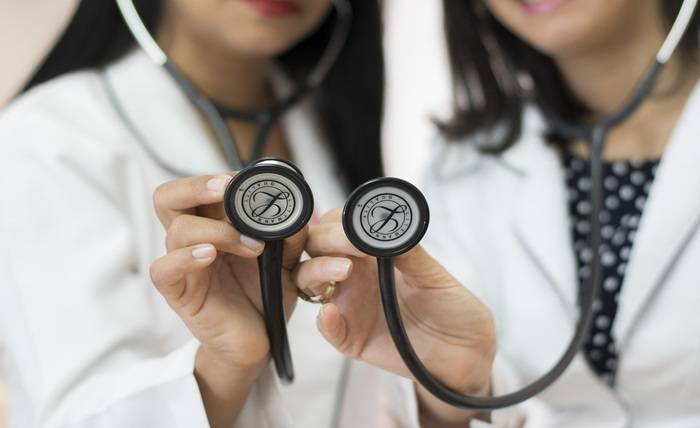
The healthcare industry continues to expand rapidly, creating numerous opportunities for individuals seeking stable and rewarding careers. Healthcare training programs have evolved significantly to meet the growing demand for skilled professionals across various medical specialties. These programs offer practical education that prepares students for immediate entry into the workforce. The combination of classroom instruction and hands-on experience makes healthcare training an attractive option for career changers and new graduates alike.
Pharmacy Technician Programs
Pharmacy technician programs prepare students to work alongside licensed pharmacists in retail pharmacies, hospitals, and clinical settings. Training covers medication preparation, inventory management, insurance processing, and patient interaction protocols. Students learn about drug classifications, dosage calculations, and safety procedures required for accurate medication dispensing.
Physical Therapy Assistant Training
Physical therapy assistant programs combine anatomy and physiology education with hands-on rehabilitation techniques. Students learn therapeutic exercises, patient mobility assistance, and equipment operation used in physical therapy treatments. The curriculum includes wound care, therapeutic modalities, and documentation requirements for patient progress tracking.
Medical Assistant Program Training
Medical assistant programs prepare students to work directly with physicians and patients in various healthcare settings. Students learn administrative tasks such as scheduling appointments, managing medical records, and handling insurance documentation. The clinical component covers vital signs measurement, patient preparation, medication administration assistance, and basic laboratory procedures. Medical assistant programs are available at colleges, such as Delta College, along with vocational schools and private training institutions across the country.
Radiologic Technology Programs
Radiologic technology programs train students to operate imaging equipment such as X-ray machines, CT scanners, and MRI systems. The curriculum covers radiation safety, patient positioning, image quality assessment, and equipment maintenance procedures. Students complete extensive clinical rotations in hospitals and imaging centers to gain practical experience with different types of medical imaging.
Dental Implant Courses
Dental implant courses provide comprehensive training in one of the most sought-after dental procedures available today. These programs cover surgical techniques, implant placement, restoration procedures, and patient care protocols specific to implant dentistry. Students learn about different implant systems, bone grafting procedures, and the latest technological advances in implant placement. Dental implant courses are typically offered by dental schools, like Pikos Institute, as well as dental education companies and professional dental organizations.
Medical Coding and Billing Specialist Training
Medical coding and billing specialist programs focus on the administrative side of healthcare through insurance claim processing and medical record management. Students learn various coding systems, healthcare regulations, and electronic health record navigation. The training covers insurance verification, claim submission procedures, and patient billing processes.
Surgical Technologist Programs
Surgical technologist programs prepare students to work directly in operating rooms as part of surgical teams. Training covers sterile technique, surgical instrument identification, patient preparation, and operating room protocols. Students learn about different surgical specialties, anatomy related to surgical procedures, and emergency response procedures.
Respiratory Therapist Training
Respiratory therapist programs focus on treating patients with breathing disorders and cardiopulmonary conditions. Students learn ventilator operation, oxygen therapy administration, pulmonary function testing, and emergency airway management. The curriculum includes patient assessment techniques, equipment maintenance, and therapeutic procedures for various respiratory conditions.
Cardiovascular Technologist Programs
Cardiovascular technologist programs train students to perform diagnostic tests related to heart and blood vessel conditions. Students learn echocardiography, electrocardiogram interpretation, stress testing procedures, and cardiac catheterization assistance. The training covers patient monitoring, specialized equipment operation, and emergency response protocols in cardiac care settings.
Occupational Therapy Assistant Training
Occupational therapy assistant programs prepare students to help patients develop daily living skills and workplace capabilities. Training covers therapeutic activities, adaptive equipment usage, patient motivation techniques, and documentation requirements. Students learn about various disabilities, rehabilitation strategies, and treatment planning under occupational therapist supervision.
Phlebotomy Technician Programs
Phlebotomy technician programs train students in blood collection techniques and laboratory specimen handling procedures. Students learn venipuncture methods, patient identification protocols, infection control measures, and proper specimen labeling. The curriculum covers anatomy of the circulatory system, blood collection equipment, and patient communication skills for anxious or difficult draws.
Dialysis Technician Training
Dialysis technician programs prepare students to operate kidney dialysis equipment and provide patient care during treatment sessions. Training covers dialysis machine operation, water treatment systems, infection control procedures, and patient monitoring protocols. Students learn about kidney disease, treatment procedures, emergency response, and equipment maintenance requirements.
Ophthalmic Assistant Programs
Ophthalmic assistant programs train students to work in eye care practices alongside ophthalmologists and optometrists. Students learn vision testing procedures, eye examination assistance, contact lens fitting, and surgical instrument preparation. The curriculum covers eye anatomy, common eye diseases, diagnostic equipment operation, and patient education techniques.
Healthcare training programs offer diverse pathways for individuals seeking stable and meaningful careers in the medical field. The variety of available programs allows students to choose specializations that match their interests, aptitudes, and career goals. As healthcare technology continues to advance and the population ages, demand for trained healthcare professionals across all specialties will continue to grow. Selecting the right training program requires careful consideration of personal interests, financial resources, and long-term career objectives.